|
|
The City Paints Itself
A Generative Portrait of city’s Collective Presence
Installation, Public webcam, 2026
Production: Alexandra Dementieva
Programming: Maksim Lukin
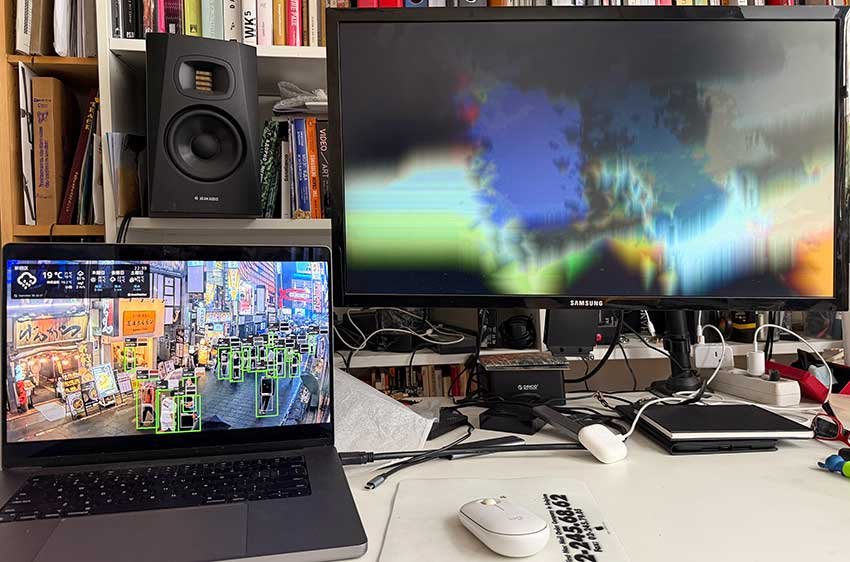
The City Paints Itself is a site-specific installation that translates the everyday presence of city into a continuously evolving field of color.
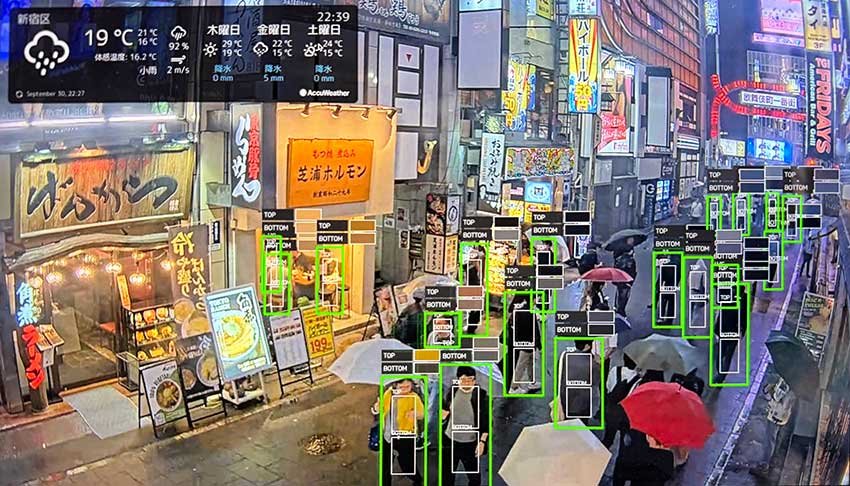
A camera observes a public pedestrian space, but instead of identifying or tracking individuals, the system extracts only the colors of their clothing. Faces, identities, and biometric information are discarded. Each passerby leaves only an anonymous chromatic trace.
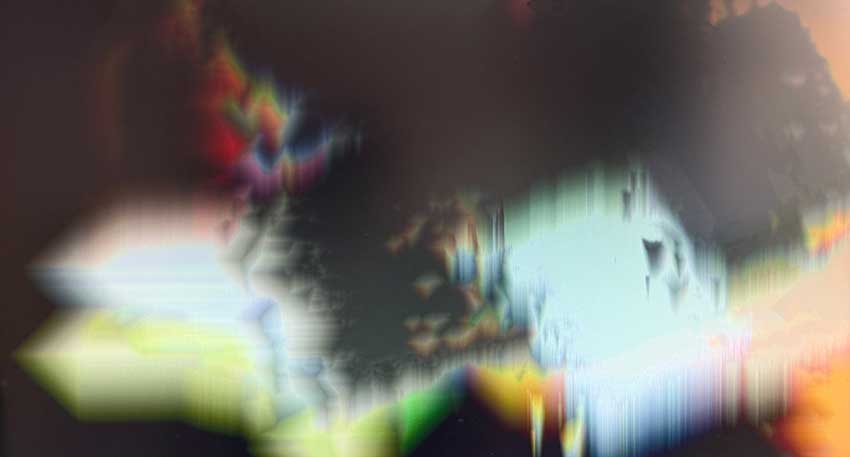
These colors are transformed into a generative digital painting. As people move through the city, new colors emerge, blend, and slowly dissolve into previous layers. Busy moments create richer and denser compositions, while quieter periods allow the image to soften and breathe. Over time, the painting accumulates a visual memory of the city.
The project responds to the Korean concept of Jung - affection, connection, and the bonds formed through shared experi-ence. No individual color remains separate; each becomes part of a larger collective field.
Rather than representing City through monuments or recognizable images, The City Paints Itself allows the city to create its own portrait—one formed through color, memory, coexistence, and time.
Statement:
The City Paints Itself is a site-specific generative installation that explores whether the presence of a city can be translated into color.
Created in response to “Translating Omae (Five Charms) of Gwangju into Colors,” the project focuses on Jung —the Korean notion of affection, empathy, attachment, and connection that develops through shared experience and everyday coexistence. Rather than attempting to illustrate Jung directly, the work approaches it as something that emerges between people: through encounters, proximity, accumulation, and time.
A fixed camera observes the continuous movement of people through a public space in Gwangju. However, the camera is deliberately used against its conventional function as an instrument of identification and surveillance. The system does not recognize faces, track individuals, or con-struct personal profiles. Instead, it extracts only the chromatic information found in the clothing of passersby. Everything else is discarded. A person enters the system not as an identity, but as a fleeting contribution of color.
These anonymous chromatic traces become the material of a continuously evolving digital painting. Colors enter as translu-cent fields, gradually expanding, merging, fading, and becoming absorbed into the existing image. Moments of greater public activity produce denser and more complex chromatic formations, while quieter periods allow the composition to slow, soften, and breathe. The painting is never completely erased. Earlier colors remain faintly present beneath newer layers, allowing the work to accumulate a visual memory throughout the day. In this way, the image reflects the way communities themselves are formed: not through isolated moments, but through countless encounters whose traces continue to shape the present.
No individual controls the final composition. Each passerby contributes only a small and temporary fragment that immedi-ately becomes entangled with the contributions of others. Individual identity disappears, while collective presence remains. The resulting image belongs to everyone precisely because it belongs to no one. The City Paints Itself therefore does not attempt to represent Gwangju through its architecture, monuments, or familiar symbols. Instead, it proposes the city as a living process—an accumulation of relationships, rhythms, memories, and shared presence.
The work asks whether technology can be used not to know more about people, but to perceive them differently: to observe less, retain less, and transform the minimal trace of individual presence into a collective experience.
City is not depicted. It becomes the author of its own continuously changing portrait. The city paints itself.
 back